
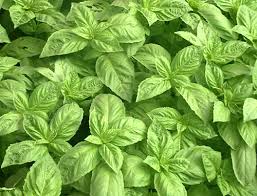
I love to cook and for the past several months have been cultivating an herb garden. I’ve successfully grown many of the essential herbs and, although some of the plants are a little sparse and raggedy, I’m able to harvest enough to impress myself with the tasty results of the dishes I prepare with them. Along with the herbs, I have a prolific black cherry tomato plant that brings lovely color and flavor to my salads, and a little pepper plant that is just beginning to show signs of bearing fruit. All is well with my garden. Except for the basil. I have killed five healthy basil plants in three months.
For over 5,000 years, humans beings have successfully grown and harvested bushels of basil. Basil is named from the Greek word meaning “King” or “Royalty.” Hearty and fragrant, it was used by ancient civilizations to ward off evil, prepare holy water, embalm mummies, and as medicine for anything from spiritual imbalance to intestinal upset. Clearly, it can’t be that hard to grow. Just think how much basil you’d need to embalm a mummy.
With each new basil plant I bring home, I vow that this one will, by God, survive. I waste no time in tenderly transplanting the herb in special potting soil. I nurture its progress, ensuring that it gets just the right amount of water, sun, and shade as suggested by the book, “Your Backyard Herb Garden.” I carefully spray it with neem oil, check for parasites, and pull off any leaves that don’t look healthy. For the first couple of weeks, the basil thrives, beautiful and fragrant with big floppy leaves the size of dog ears. I happily pluck from its bounty, holding the little bunch of basil in my fist, inhaling the fresh, sweet, peppery fragrance. I feel like Martha Stewart.
“These lovely herbs will bring such flavor to our pasta salad,” I say in Martha’s come-up-and-see-me-sometime voice.
After the initial healthy period of two to three weeks, the basil begins to droop. The stems are spindly, the lovely leaves of yesterday now hang limp and crinkly, and new leaves are small and tight. I consult my herb garden book. I consult the internet. I fuss with the failing plants, give them a pep talk, and beg them to cooperate. Despite my ministrations, the basil continues to wither away, and it’s time to start over with a new plant. With each dead plant, my heart breaks a little, but I am determined.
When watching cooking shows, I’m always mesmerized when the camera follows the chef out to a garden full of wildly growing herbs, zooming in while they casually gather handfuls of robust leaves and sprigs and drop them into a woven basket that is soon filled to the brim. “Oh, that aroma,” they say, sticking their face in the basket. “There’s nothing like it.” It feels like gloating. “Any moron can grow herbs,” seems to be the unspoken message.
Since I’ve been cooking with fresh herbs, I find it difficult to switch back to the dried bottled version, especially when it comes to basil. There is no comparison between the warm, spicy, pungent basil leaves and the flat, mildly licorice-tasting dried leaves. When I’m between plants, I buy live basil in the produce section; it is packaged in a plastic container, the roots still attached. I have been desperate enough to plant the roots in dirt after I’ve stripped all the leaves off. The roots never produce, but it feels better than just throwing them away.
A couple of weeks ago, Ron surprised me with a portable walk-in green house. It consists of four wire shelves, two on each side, with a water resistant, transparent green cover. It is just tall enough and deep enough for me to walk into, but not really move around in. He bought it for me with the hope that I would stop crying over dead basil. I put all of my vegetables and herbs in it, along with two new basil plants, hoping the greenhouse lives up to its promise to, “promote and extend the growth of your plants.” I’ll let the basil be the judge.
I wouldn’t call myself an herb snob. My mother was an excellent cook and I don’t believe she ever used fresh herbs. She had a wooden spice rack on the wall with bulbous glass spice bottles labeled in her handwriting. For as long as I can remember, all of the herbs and spices that went into her meals ca me from that spice rack or bottles gathered on a shelf above the stove. I don’t recall any complaints when she served up bubbling spaghetti sauce or turkey and gravy flavored by McCormick.
When I use dried herbs, I follow a few techniques that enhance their flavor. I learned the techniques on the Food Network so they are pretty much gospel:
Rub herbs vigorously between your hands to warm them up before adding them to your dish; this will bring out the oils and wake up the flavor. Add the herbs during cooking; dried herbs need heat to bloom. You definitely want to pitch herbs older than three years or you’re essentially cooking with sawdust.
I’m thinking of putting another little greenhouse next to the one I have. I’d like to add cilantro, sage, and dill to my family of herbs, and have room for more tomatoes and peppers. One side of the greenhouse will be dedicated to basil plants in various stages, from rich and verdant to withering and dusty gray. I suppose I’ll just keep rotating the dead plants out and bringing new ones in until at last, I master the king of herbs and put together a Caprese salad that is to die for.

 Parboiled Popsicles
Leave a comment